
01What Is Car Wax?
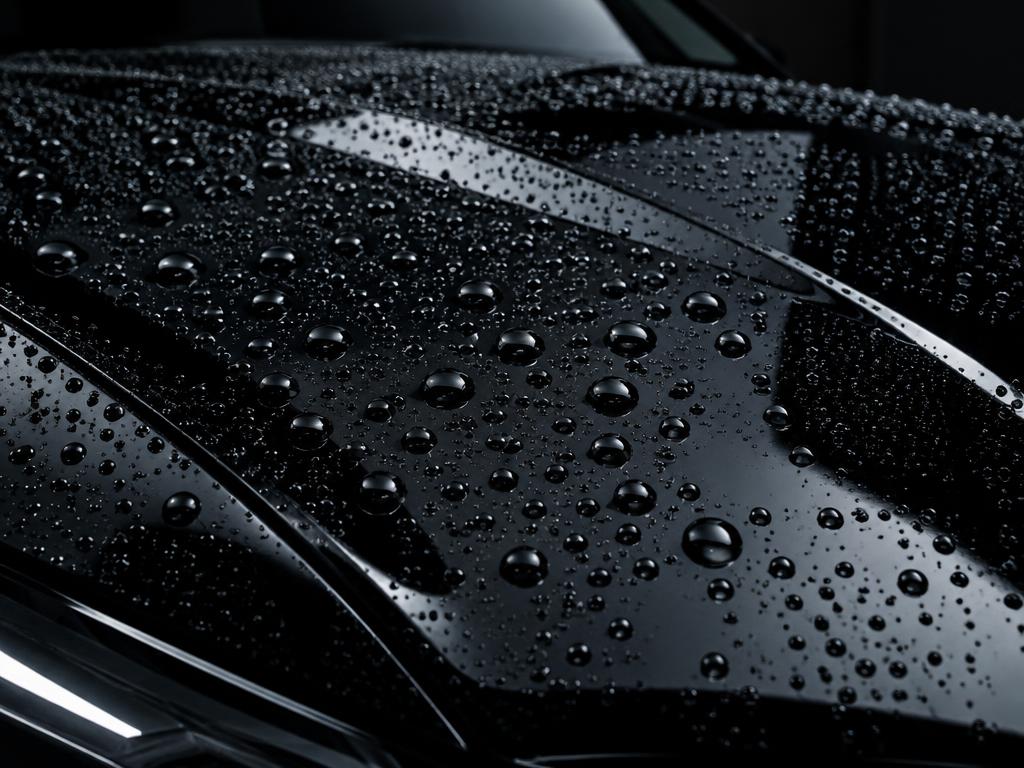
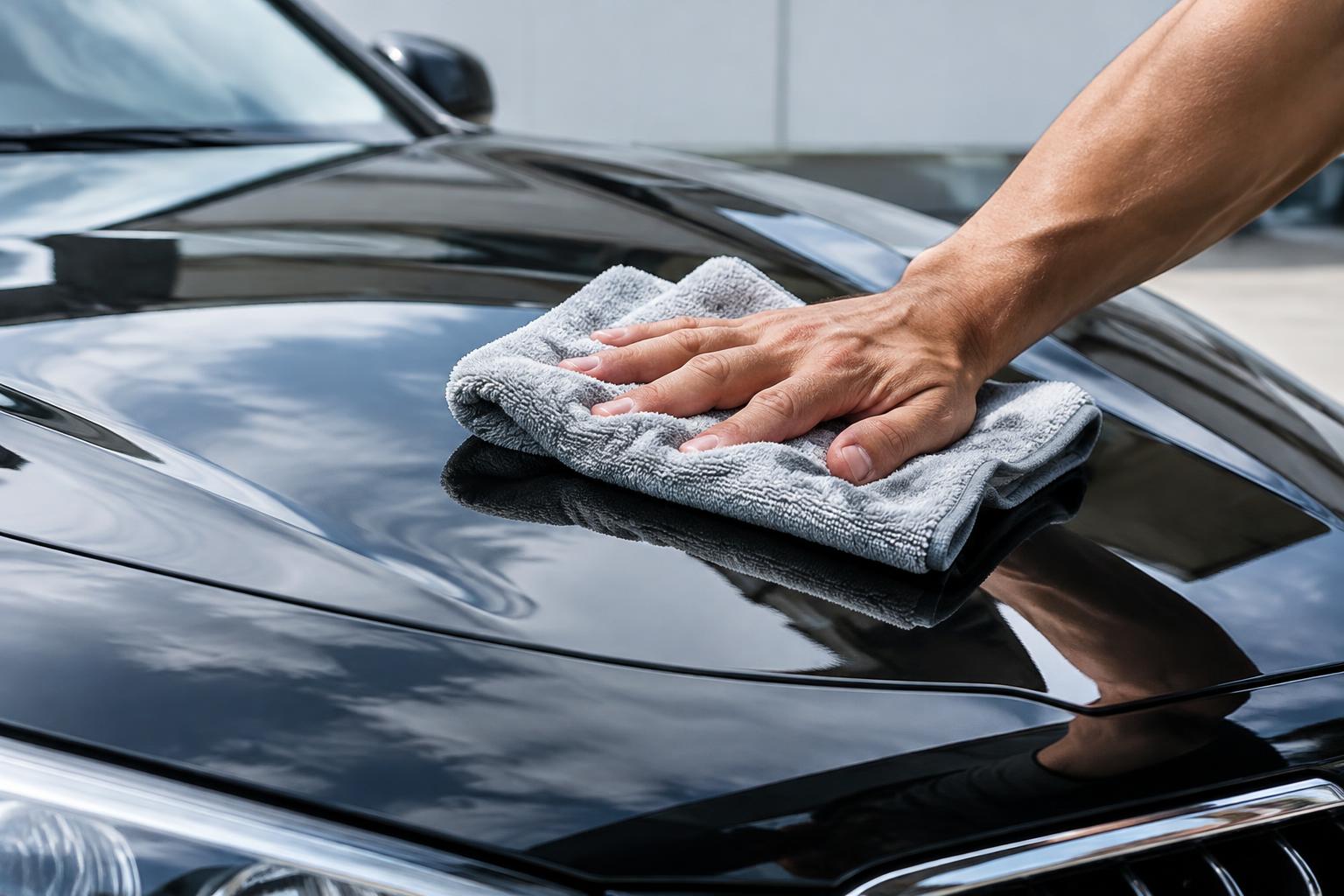
Shine and protection are not the same thing. A freshly buffed finish can look brilliant while offering only short-lived defense against the elements. Car wax adds a sacrificial top layer over your clear coat: contamination reaches that layer first, rather than bare paint. Traditional carnauba wax gives a warm, rich gloss; synthetic waxes and polymer sealants prioritize durability. Neither replaces careful washing or removes existing scratches.
Types of Car Wax
- Carnauba: a natural wax prized for its warm, deep finish.
- Synthetic sealant: engineered polymers that generally last longer than traditional wax.
- Spray wax: a quick refresh between washes, typically with shorter protection.
- Liquid / paste: application formats available in natural and synthetic blends.
Pros of Wax
- Affordable: roughly $20–$50 for a DIY product.
- Warm gloss that adds depth to the paint.
- Easy application with basic tools and a clean surface.
Cons of Wax
- Traditional wax often wears off in 4–8 weeks, depending on washing, weather and the product.
- It sits on the surface rather than forming the cured bond of a ceramic coating.
- High heat and strong detergents can soften or degrade the layer.
02What Is Ceramic Coating & Graphene Protection?
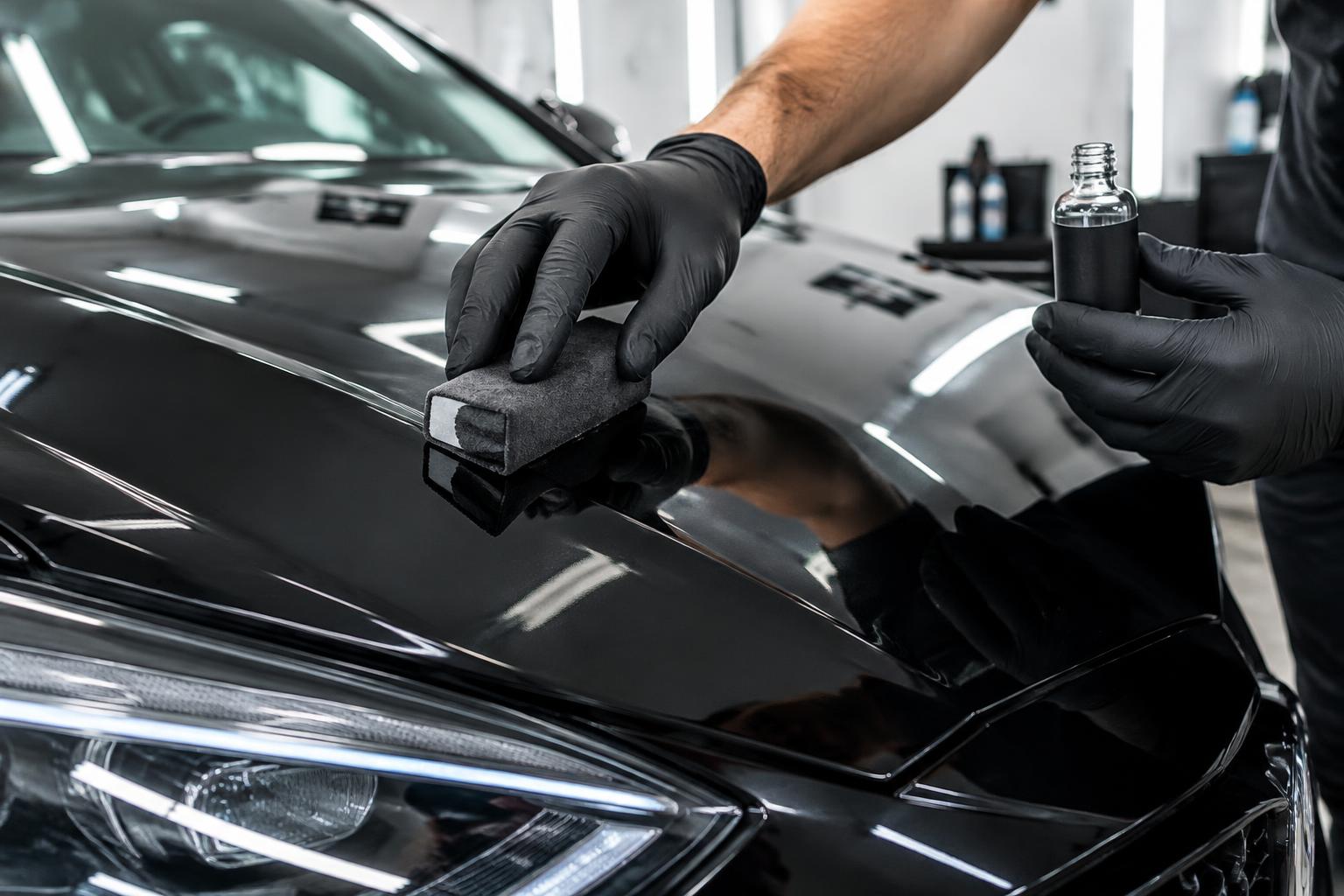
Ceramic coatings use reactive ingredients, commonly silicon-based chemistry described as SiO₂, to form a cured protective layer on properly prepared clear coat. Graphene-enhanced products are a broad family: a spray sealant is not the same as a multi-year professional coating. Performance depends on the formulation, surface preparation and maintenance—not simply the word graphene on the bottle.
Pros of Ceramic / Graphene Protection
- Professional coatings may last 2–5+ years with the specified care; some graphene spray sealants advertise up to 8 months under suitable conditions.
- Strong water-beading helps make routine washing and drying easier.
- Better chemical resistance than traditional wax; UV performance depends on the specific product.
Cons of Ceramic / Graphene Protection
- Multi-year coatings have a higher upfront cost.
- Thorough washing, iron decontamination, clay where needed and surface preparation are essential.
- Existing wax must be removed before applying a coating; contamination can compromise bonding.
Protection lifespans are product-dependent estimates, not a guarantee for every vehicle or treatment.
03Head-to-Head Comparison
For a daily driver in Inglewood and surrounding Los Angeles areas, the best option balances durability, upkeep and budget. Compare the actual product and service—not just the category name.
1. Durability
Traditional wax often lasts 4–8 weeks. A graphene spray sealant may last up to 8 months, while professional ceramic coatings can deliver 2–5+ years when prepared and maintained correctly.
Verdict: A properly maintained coating lasts longest; a spray sealant offers a useful middle ground.
2. UV Protection
Wax and coatings can add a protective barrier, but universal claims such as 50% for wax or 90–95% for ceramic are not reliable across products. Your factory clear coat remains an important UV defense.
Verdict: Choose a product with documented testing, and reduce prolonged sun exposure when possible.
3. Protection Against Contaminants
Bird droppings, tree sap, road grime and acid rain can attack a finish. Coatings usually resist chemicals better than wax and release dirt more readily, but contamination can still etch paint if left in place.
Verdict: Ceramic / graphene protection helps with cleanup; prompt removal is still essential.
4. Scratch Resistance
Wax is soft and offers little abrasion resistance. Some coatings advertise 9H pencil hardness, which is not a promise of scratch-proof paint or protection from stone chips. Light wash swirls are still possible with dirty tools.
Verdict: Use clean microfiber and safe wash techniques regardless of your protection layer.
5. Ease of Application
A DIY wax application can take 1–2 hours on an already-clean vehicle. Coatings require multi-step decontamination, wax removal, careful application and curing; polishing may also be needed first.
Verdict: Wax is the easiest DIY option; coating preparation rewards professional attention.
6. Maintenance After Application
Wax needs frequent reapplication. Coated paint still needs gentle maintenance washes, occasional decontamination and any product-specific topper or inspection recommended by the installer.
Verdict: Coatings reduce reapplication—not the need to wash and care for your car.
7. Cost
DIY wax products typically cost $20–$50. FEARNODETAILZ Wash, Clay & Seal (Ceramic Maintenance) starts at $180 for coupe/sedan and $190 for truck/large SUV. Multi-year professional ceramic installations can range roughly $1,000–$3,000 depending on paint correction, vehicle size and product; this is general market context, not a FEARNODETAILZ coating quote.
Verdict: Wash, Clay & Seal balances professional preparation and protection without a multi-year coating investment.
04Quick Comparison Table
These are typical category differences. Always check the specific product's instructions and expected lifespan.
| Factor | Car Wax | Ceramic / Graphene Protection |
|---|---|---|
| Lifespan | Typically 4–8 weeks | Spray sealant: up to 8 months; pro coating: 2–5+ years |
| UV Protection | Product-dependent; limited lasting barrier | Product-dependent; check documented testing |
| Bonding Method | Sacrificial surface layer | Cured coating or polymer sealant, depending on product |
| Scratch Resistance | Minimal | Not scratch-proof; 9H claims refer to pencil hardness |
| Application Difficulty | Beginner-friendly on clean paint | Sealant: moderate; pro coating: careful prep and curing |
| Upfront Cost | $20–$50 DIY product | Wash, Clay & Seal from $180 / $190; pro ceramic generally $1,000–$3,000 |
| Maintenance Frequency | Frequent re-waxing | Regular gentle washes and product-specific care |
| Hydrophobic Effect | Good initially; fades sooner | Typically stronger and longer-lasting with proper care |
05So, Which One Should You Choose?
Start with how you use your car, where it is parked and the level of upkeep you can realistically maintain. The best protection is one you can care for consistently.
Choose Wax If…
- You want affordable gloss and enjoy a hands-on DIY routine.
- You are comfortable reapplying protection every few weeks.
- Your vehicle is garaged or sees relatively gentle use.
Choose a Graphene Sealant (Wash, Clay & Seal) If…
- You drive daily and want longer-lasting protection than traditional wax.
- Your paint needs washing and bonded-contamination removal before protection.
- You want professional preparation without committing to a multi-year coating.
Choose Multi-Year Ceramic Coating If…
- You plan to keep your vehicle for several years.
- You can invest in paint preparation and follow the coating's care requirements.
- You want long-term protection and understand it does not replace regular washing.
Coatings cannot be applied directly over wax: remove wax and decontaminate the paint first so the protection can bond properly.
Final Thoughts
- Wax looks great but only protects for about a month or two.
- Some graphene spray sealants offer up to eight months of protection with proper preparation and care.
- Ceramic and graphene coatings last years but need paint prep and careful washing.
- No protection layer replaces regular decontamination and maintenance.
Ready to Protect Your Vehicle's Paint?
Give your paint a clean start with FEARNODETAILZ. Book a Wash, Clay & Seal (Ceramic Maintenance) package or a full detail in Inglewood and surrounding Los Angeles areas—we bring professional care to your home or office.
START YOUR QUOTE